
Disclaimer: As an Amazon Associate I earn from qualifying purchases.
Winter play with little ones can be magical… and also intimidating when you live with chronic pain. You want to make memories, but bending, lifting, and staying in awkward positions can quickly turn a fun moment into a painful setback.
The good news? You can enjoy outdoor snowy fun with your young child—without straining your body—by choosing the right activities, tools, and body-aware strategies.
Below are snow-friendly, pain-considerate play ideas designed for children under five, along with practical tips to reduce strain, prevent injury, and keep you comfortable.
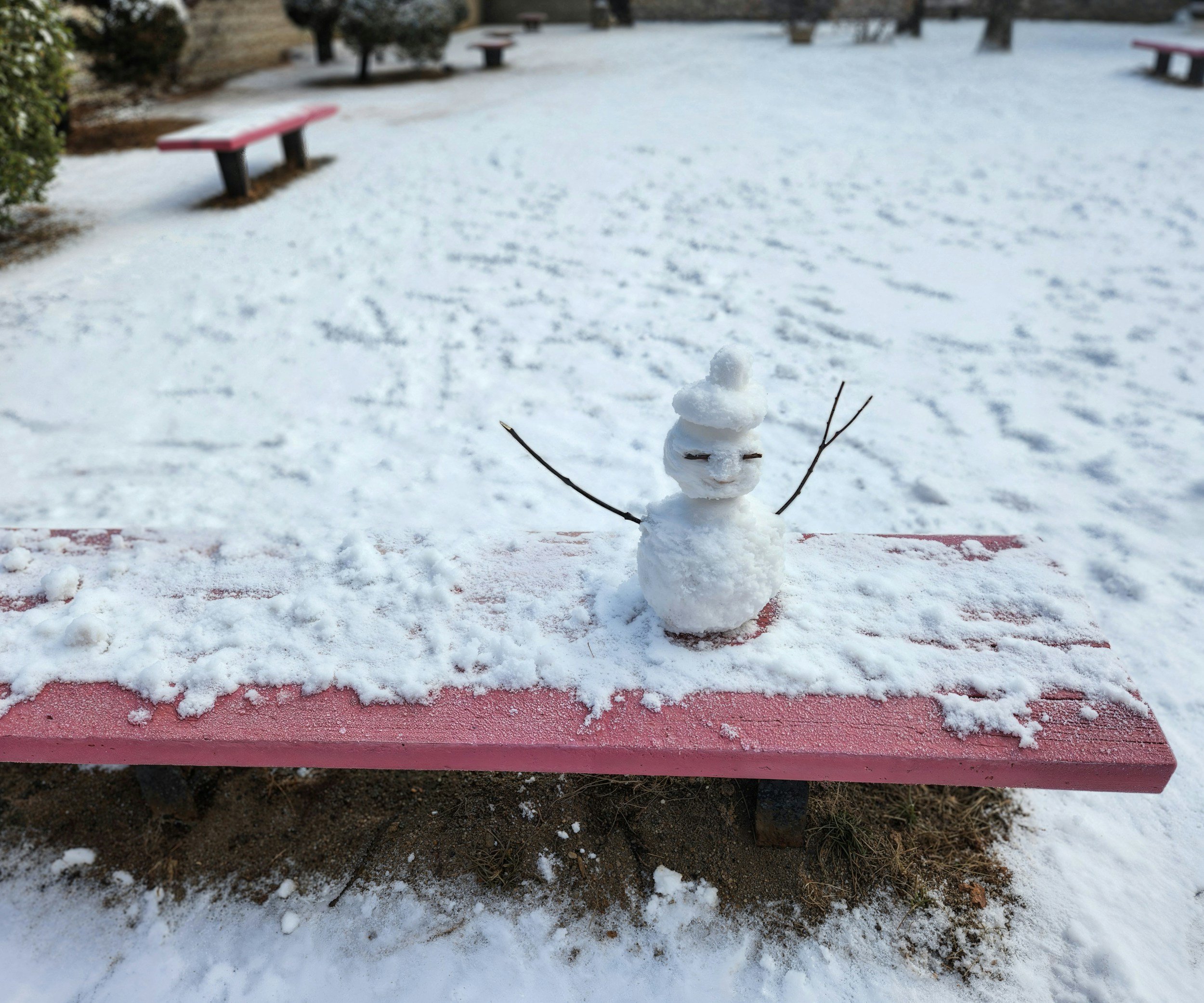
Keep it simple! There are ways to play in the snow that aren’t energy depleting.
1. Paint the Snow (Standing-Friendly Activity)
How it works:
Fill squeeze bottles or spray bottles with water and a few drops of food coloring or washable paint. Let your child “paint” the snow like a big outdoor canvas.
Why it’s pain-friendly:
No bending required—stand upright or sit on a sturdy outdoor chair.
Your child does most of the movement while you supervise.
Encourages independent creativity.
Pain-smart positioning:
Keep bottles at waist height in a small tote so you don’t have to reach or crouch.
If sitting, choose a chair with armrests and lumbar support.
2. Snow Treasure Hunt (Minimal Movement Required)
How it works:
Before heading out, place colored craft pom-poms, large toy animals, or bright blocks in a small bag. Scatter them around the yard for your child to “hunt.”
Why it’s pain-friendly:
You set it up once and let your child collect.
You can stay mostly still while supervising.
Pain-smart positioning:
Avoid bending repeatedly—use a grabber tool to place the items in the snow.
Stay on even, cleared ground to avoid slips.
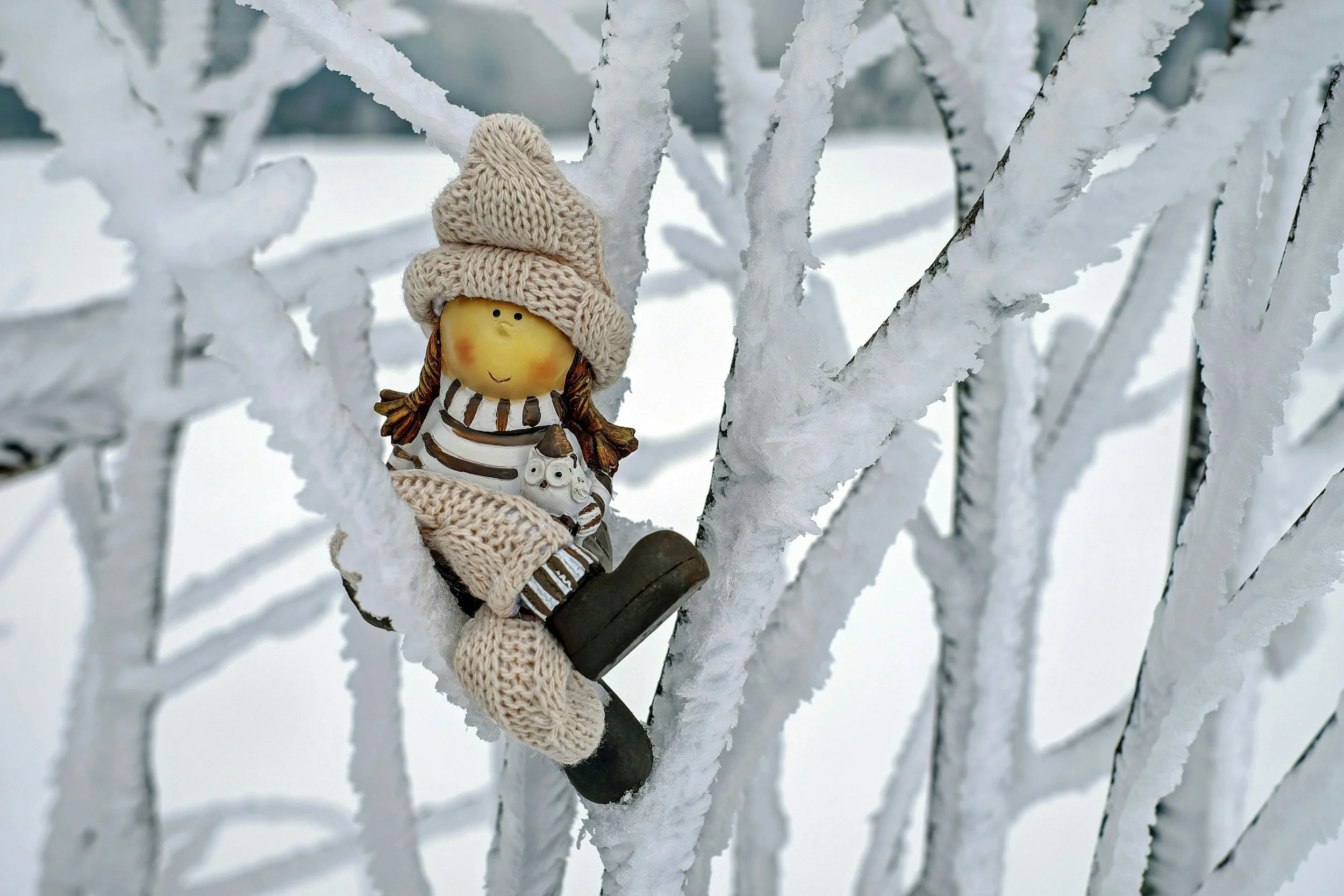
Snow treasure hunt is a fun way to play!
3. Snow Molds & Scoops Station (Let the Tools Do the Work)
How it works:
Use plastic sand toys, snowball makers, or silicone molds. Create a “snow kitchen,” “construction zone,” or “ice cream shop.” This one comes with everything in a bag, so simply walk to a close park or green space to use!
Why it’s pain-friendly:
You can interact from a chair.
Tools allow shaping snow without packing or lifting heavy handfuls.
Pain-smart positioning:
Set the station on a table, bench, or overturned storage bin to bring the play up to your height.
Use lightweight scoops and molds to prevent wrist or shoulder strain.
4. Bubble Play in the Cold (Zero Bending & Big Reactions)
How it works:
Cold weather makes bubbles slow, floaty, and sometimes freeze. Blow bubbles and let your child chase, catch, or stomp them.
Why it’s pain-friendly:
You stay in one place while your child does the running.
The cold weather makes it extra fun with minimal effort.
Pain-smart positioning:
Stand or sit upright—no need to twist or reach.
Keep bubble solution on a waist-height surface or tethered with a wrist strap.

Blowing bubbles is not just a summer activity!
5. Nature Sound Walk (Gentle Movement Only)
How it works:
Walk slowly through the snow listening for crunchy sounds, spotting animal tracks, or talking about what you each see. These outdoor scavenger hunt cards are fabulous for any season- just loop them onto the stroller/ wagon to keep handy!
Why it’s pain-friendly:
Slow, mindful pace keeps strain low.
Great for toddlers who want to explore without fast activity.
Pain-smart positioning:
Use walking poles or a cane with an ice tip for stability.
Keep steps small and knees soft to reduce jolting impact.
6. Push-Toys on Snow Paths (You Supervise, They Play)
How it works:
Clear a short, safe path for your child to use a small push truck, grocery cart, sled, or toy mower.
Why it’s pain-friendly:
You prep once; the play sustains itself.
Encourages gross motor play with you as a steady anchor, not an active participant.
Pain-smart positioning:
Avoid shoveling—use a leaf blower or wide broom to clear a light path with minimal strain.
Stand on cleared, non-slippery ground.
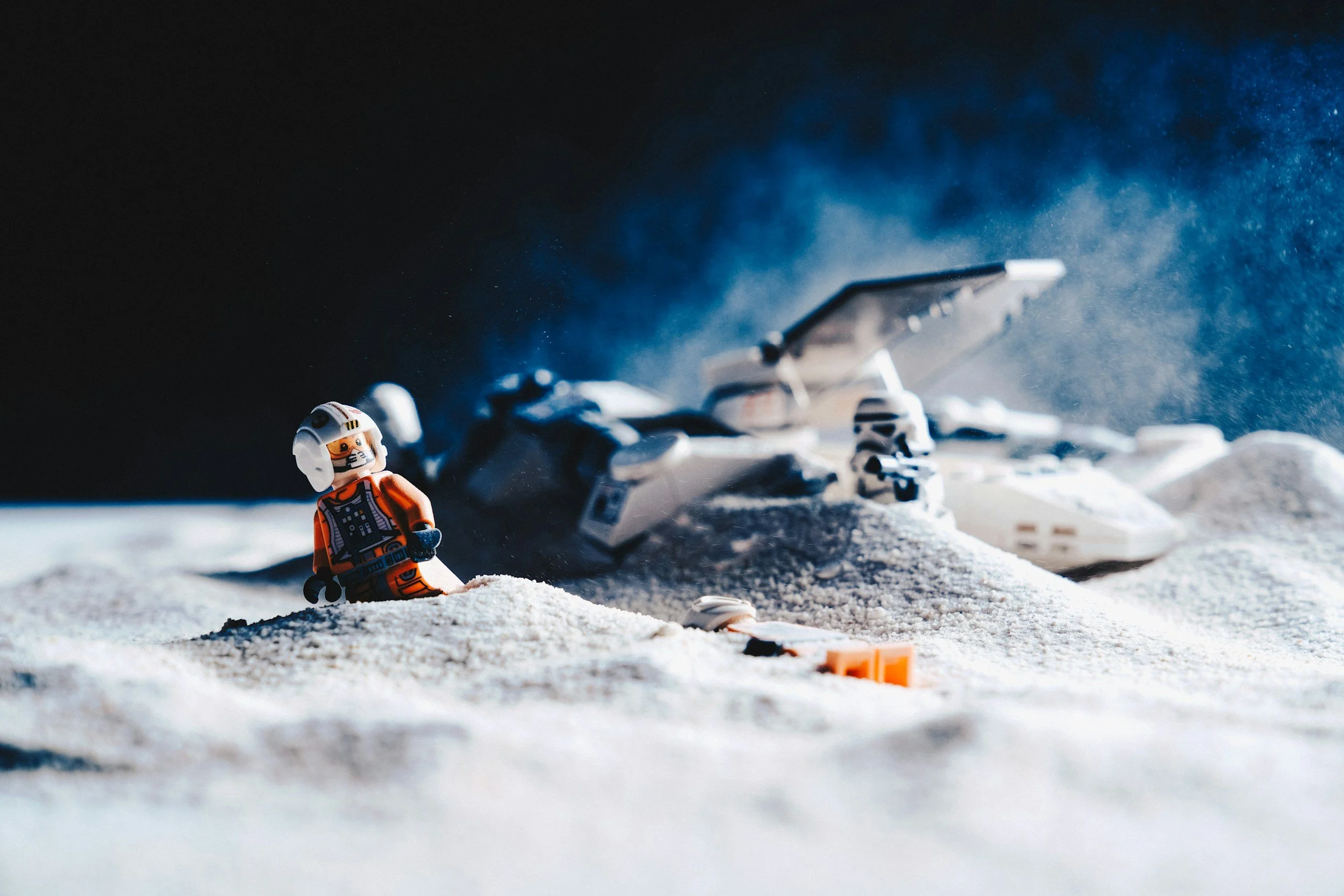
Bring the action figures/ princesses outdoors in a new landscape of winter wonderland!
7. Sit-Down Snow Sensory Bin (Outdoor but Not Floor-Level)
How it works:
Grab a storage bin, fill it with fresh snow, and add spoons, toy cars, or figurines. The snow stays outside—you stay comfortable.
Why it’s pain-friendly:
Allows snowy play without kneeling in the cold.
Kids love simple scooping and stirring.
Pain-smart positioning:
Place the bin at a comfortable standing height or on your lap while sitting in a sturdy chair.
Keep your back supported and avoid leaning forward.
8. Sled Pull “Co-Pilot Mode” (Slow, Minimal Effort)
How it works:
Instead of a long, heavy pull, keep the sled ride short and slow—think “gentle taxi ride.”
Why it’s pain-friendly (when done intentionally):
Provides delight while keeping effort low.
You control the pace—slow and steady.
Pain-smart positioning:
Use a sled with a rigid handle instead of a rope to keep shoulders neutral.
Keep pulling distances short and stop if you feel strain.

Make a snow maze with your feet!
9. Snow Shapes & Shadow Play (Standing & Stationary)
How it works:
Use your bodies to make shapes in the snow—circles, lines, paths, hopscotch—or trace shadows on the snow using sticks or footprints.
Why it’s pain-friendly:
You stay upright with minimal bending.
Kids love following your shapes or making their own.
Pain-smart positioning:
Step carefully and focus on even footing.
Choose flat areas to avoid twisting ankles or back.
10. “Winter Story Time Outside” (Calming & Cozy)
How it works:
Bundle up and sit on a waterproof outdoor cushion or chair. Read a winter-themed story while your child builds small snow piles or plays nearby.
Why it’s pain-friendly:
You sit comfortably while still being fully engaged.
Works well for toddlers who like brief bursts of activity then grounding.
Pain-smart positioning:
Use a chair with back support and armrests.
Bring a warm blanket or rechargeable hand warmer to prevent muscle tension.
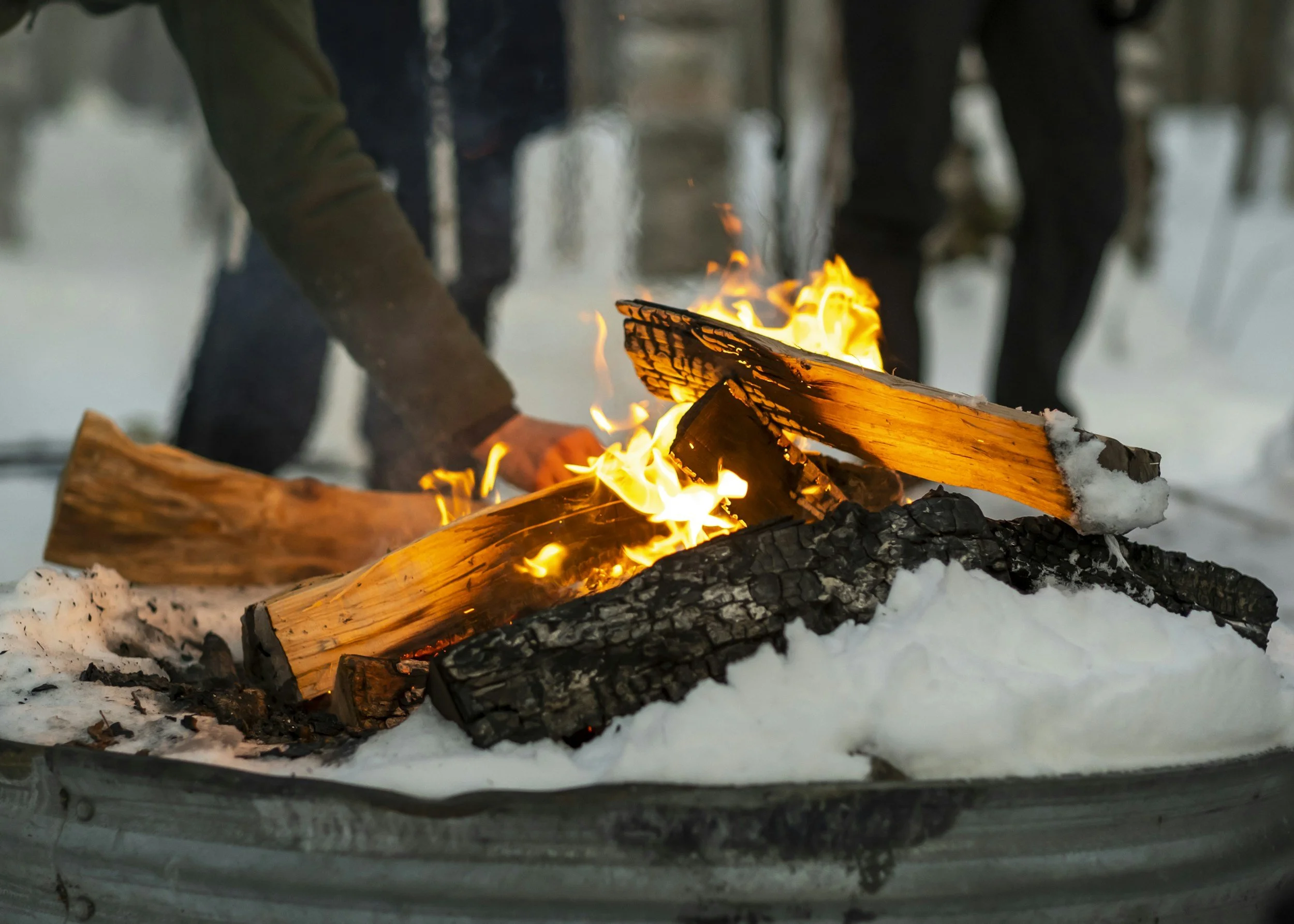
Winter campfires are a great way to stay warm and cozy outside!
Movement & Body-Care Tips to Reduce Pain While Playing in the Snow
Warm up before going out
Gentle shoulder rolls
Slow ankle circles
Light marching in place
Warm muscles strain less and tolerate cold better.
Use supportive footwear
Grippy soles and insulated boots reduce slips and muscle tension from cold feet. Marks Work Warehouse has the best ice grip technology on their footwear!
Keep everything at waist height
Bins, tools, bottles, and toys should stay at a height that prevents bending or awkward reaching. Don’t tuck away patio furniture too far away so you can use them in the winter still. Make yourself a snow throne to sit on while your little one plays on or around you. Build snow critters or castles on patio tables.
Pace yourself
Short, 10–15 minute sessions prevent flare-ups while still giving your child meaningful fun. Bring a hot drink in a thermos to help entice you to pause and rest.
Plan “high-energy for them, low energy for you”
Choose activities where your child runs, pours, scoops, or explores while you remain seated or upright. Those water tables aren’t just for summer use! Let them build snow forts on them or create an ice luge.
Use adaptive tools
Grabbers, long-handled scoops, garden kneelers, or lightweight snow tools can reduce strain dramatically. Be thoughtful when looking at shovels, for there are many new designs to help reduce back strain like this one here! Or you can simply get an attachment to add to your existing shovel. But if you can afford it, these shovel snow blowers are amazing! You can whip up a quick snow pile base for a snow fort in minutes with this tool!
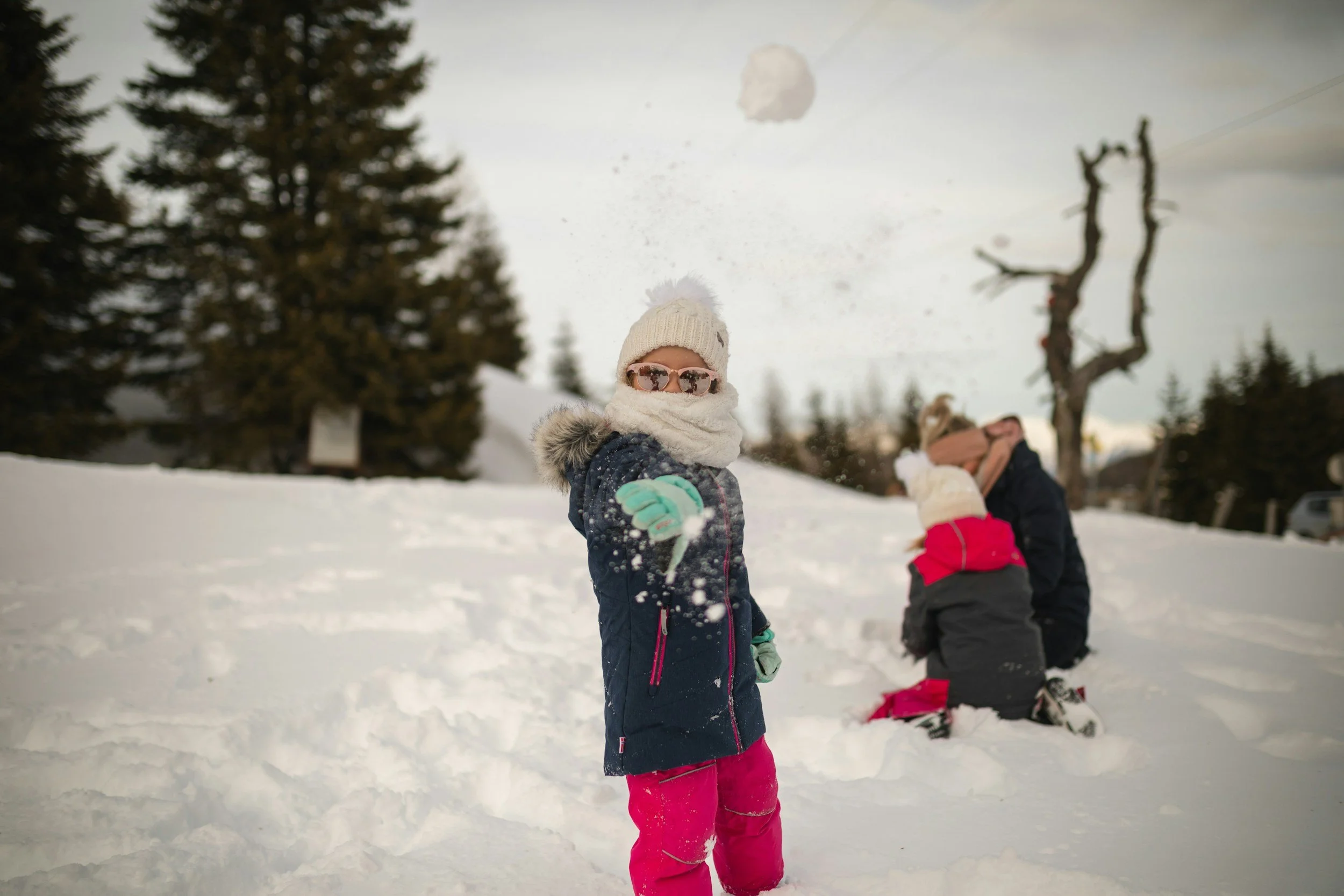
Get outside this winter!
Final Thoughts
Playing outside in the snow with young kids doesn’t have to mean pushing yourself to the edge. With the right tools, intentional body mechanics, and gentle activities, you can create beautiful winter memories—without aggravating your chronic pain.
You deserve joyful moments and comfort, and your child benefits from both.